Top Tips for Successful Video Production in Hawaii’s Unique Climate
MA
Understanding the Hawaiian Climate
Hawaii's unique climate offers both opportunities and challenges for video production. Known for its stunning landscapes and tropical weather, Hawaii can provide a breathtaking backdrop for any project. However, the climate also poses specific challenges that require careful planning.
The islands experience high humidity, occasional rain showers, and varying temperatures depending on the altitude. Understanding these climate characteristics is crucial for successful video production. It's essential to plan for potential weather changes and adapt quickly to maintain the quality of the footage.
Choosing the Right Equipment
When filming in Hawaii, selecting the right equipment is vital. The high humidity can affect camera lenses and other sensitive gear. Therefore, investing in weather-sealed cameras and lenses is a smart decision. Additionally, using protective coverings can safeguard your equipment from sudden rain showers or sea spray.
Consider lightweight and portable gear for ease of movement across diverse terrains, from beaches to mountains. Drones can be particularly useful for capturing Hawaii's stunning aerial views, but ensure you're aware of local regulations regarding drone usage.
Lighting Considerations
Natural lighting in Hawaii can be both a blessing and a challenge. The bright sun provides excellent lighting conditions, but it can also create harsh shadows. Filming during the golden hour, either shortly after sunrise or before sunset, can help achieve softer, more flattering light.
When shooting during the day, using diffusers and reflectors can help manage light intensity and create balanced exposure. Always be prepared to adjust your lighting setup to accommodate sudden weather changes.
Working with Local Talent and Crew
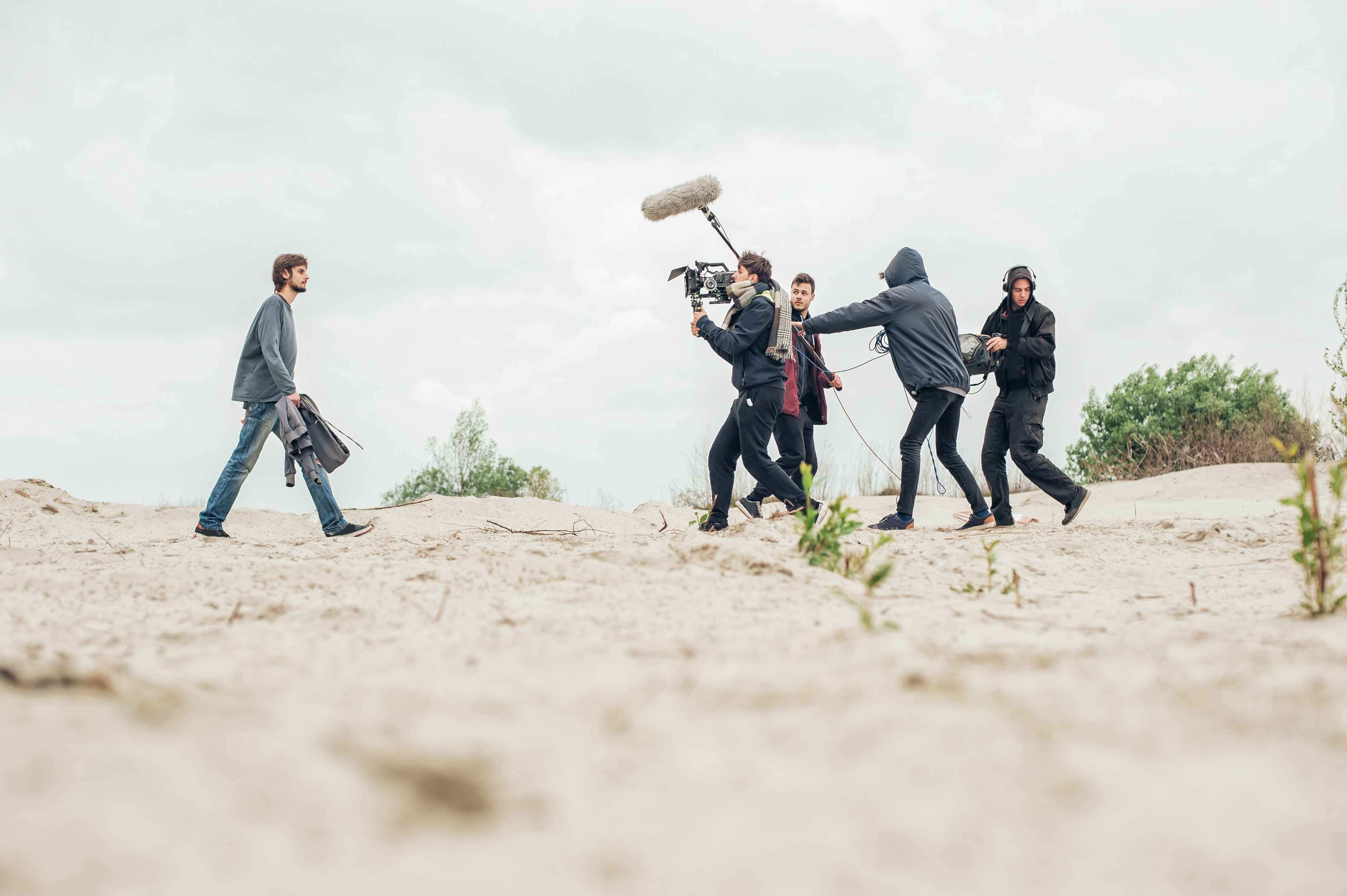
Leveraging local talent and crew can enhance your video production process. Hawaii boasts talented professionals who understand the nuances of the local environment and can provide valuable insights. Collaborating with local experts can streamline logistics and enhance the authenticity of your project.
Building relationships with local vendors and securing necessary permits are also crucial steps. This not only ensures compliance with regulations but also supports the local economy.
Planning for Weather Variability
The weather in Hawaii can be unpredictable, with sudden rain showers possible even on sunny days. A flexible shooting schedule is essential to accommodate these changes. Consider having backup indoor locations or alternative outdoor sites ready in case of inclement weather.
Monitoring weather forecasts and having contingency plans can save time and resources, ensuring your production stays on track.
Respecting the Environment
Preserving Hawaii's natural beauty is paramount. Ensure your production team follows environmentally friendly practices, such as minimizing waste and avoiding damage to natural sites. Respecting local customs and being mindful of sacred areas are also essential for maintaining positive community relations.
By adhering to sustainable practices, you not only protect the environment but also build a positive reputation for your production team, fostering goodwill with the local community.