The Role of Videography in Hawaiian Cultural Storytelling: Insights from Experts
MA
In recent years, videography has become a vital tool for preserving and sharing Hawaii's rich cultural heritage. Through the lens of a camera, traditional stories, dances, and rituals can be documented and shared with a broader audience, ensuring that these important cultural narratives endure for future generations.
The Power of Visual Storytelling
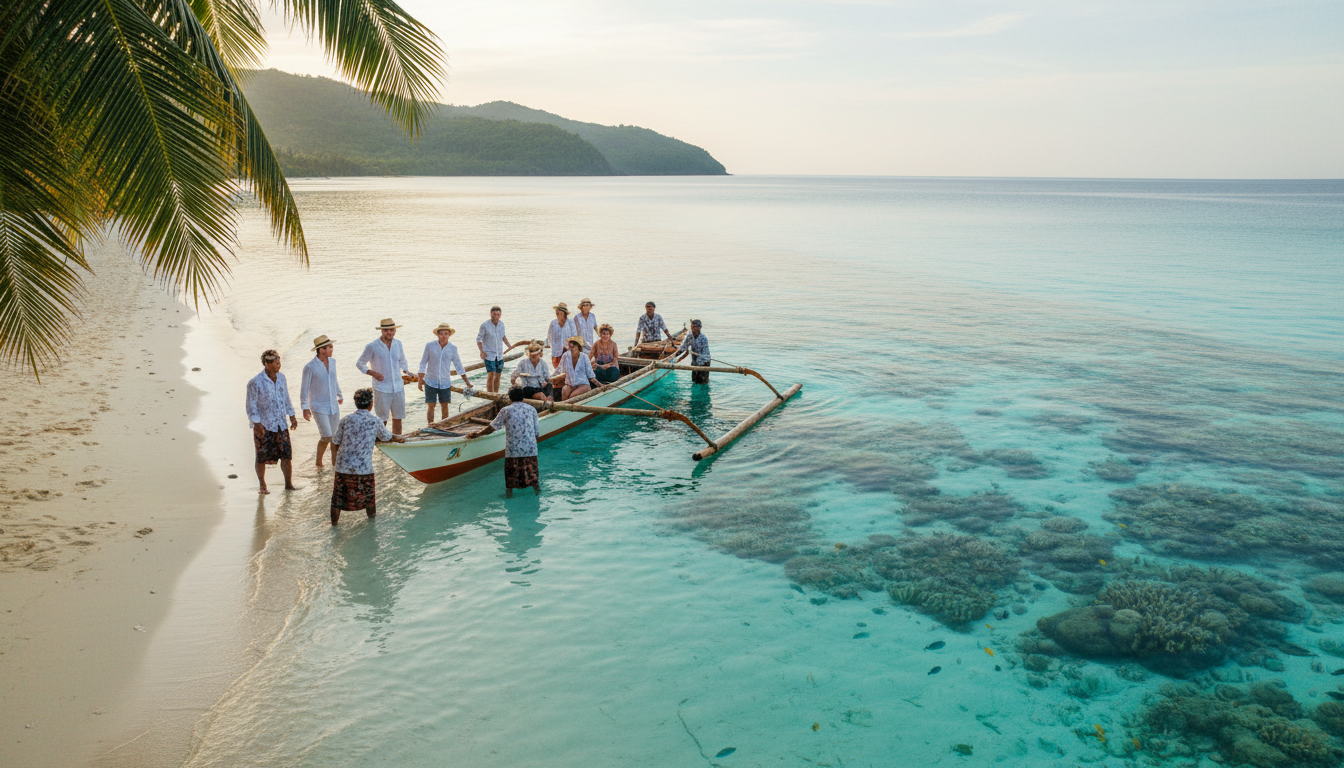
Videography offers a unique way to capture the essence of Hawaiian culture. By combining visuals with sound and movement, videographers can create an immersive experience that brings stories to life. This multimedia approach helps convey the nuances of cultural practices that might be lost in written or spoken forms.
Experts in Hawaiian culture emphasize that videography provides a platform for voices that might otherwise go unheard. By documenting traditional practices, videography empowers native Hawaiians to share their stories in their own words, preserving authenticity and integrity.
Connecting the Past and Present
Hawaiian storytelling is deeply rooted in oral traditions, with legends and myths passed down through generations. Videography bridges the gap between past and present by capturing these oral narratives in a modern format. This not only helps preserve the stories but also makes them accessible to younger audiences more accustomed to digital media.
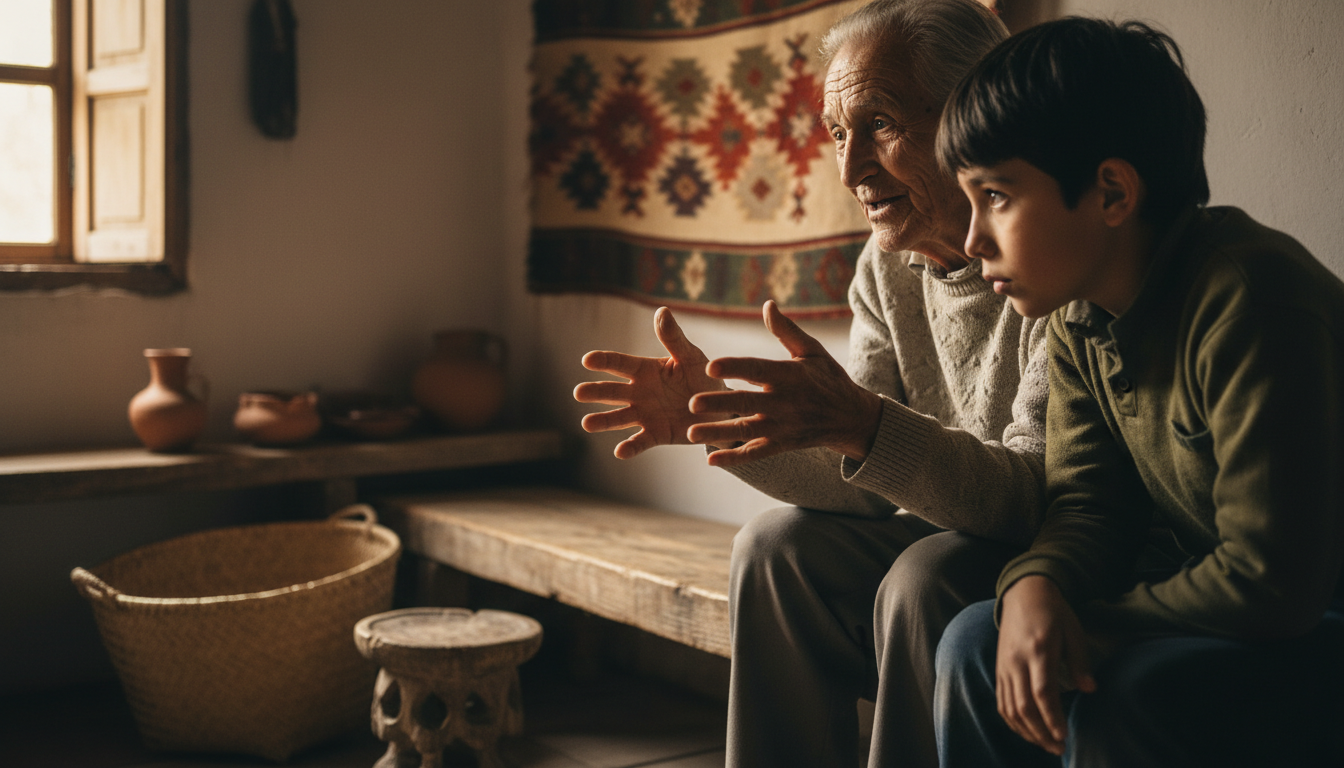
Through interviews with elders and cultural practitioners, videographers can document personal stories and historical accounts, ensuring that valuable knowledge is not lost. These recordings serve as an educational resource for both Hawaiians and those interested in learning about Hawaiian culture.
Preserving Traditional Practices
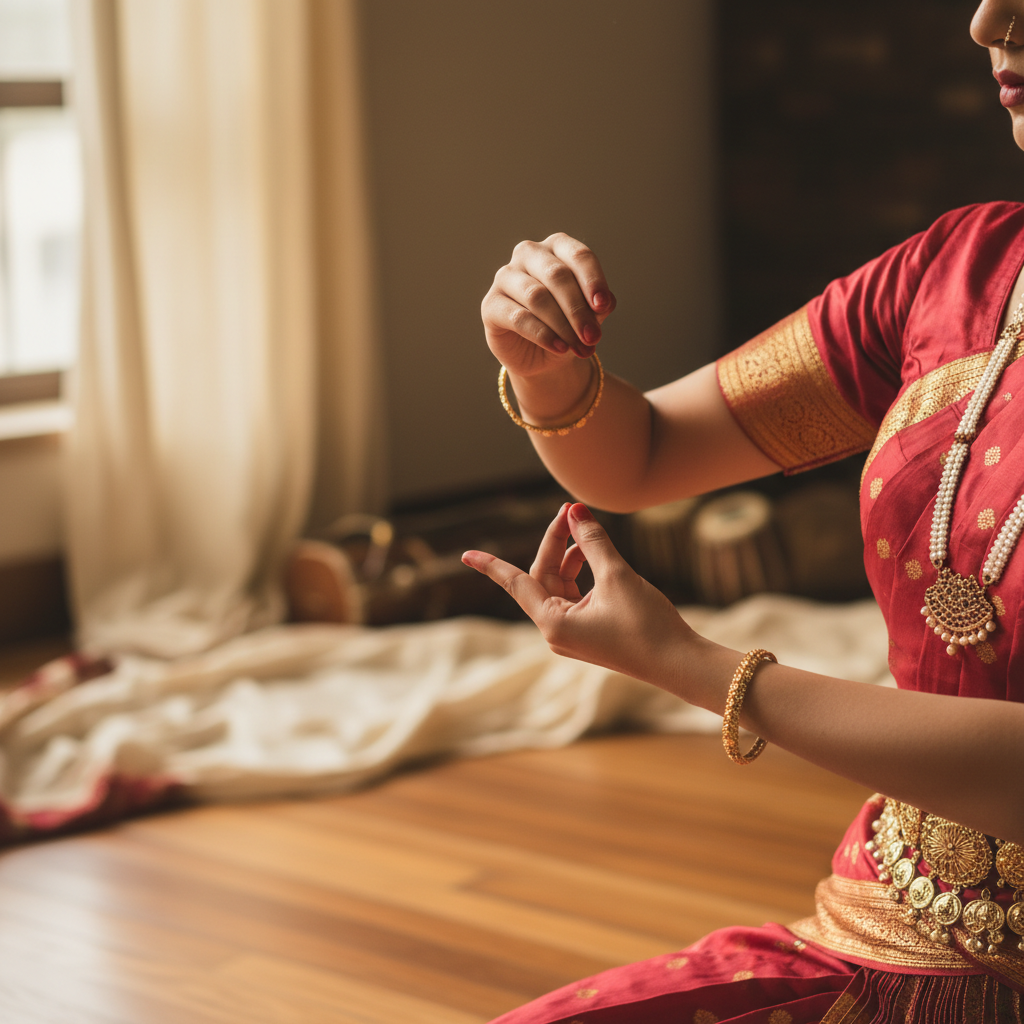
Videography plays a crucial role in preserving traditional Hawaiian practices such as hula, lua, and oli. By recording performances and ceremonies, videographers create a visual archive that can be studied and appreciated by future generations.
Experts note that these recordings are invaluable for cultural education, providing a reference for individuals learning about Hawaiian arts and traditions. They also help highlight the significance of these practices in Hawaiian society.
Challenges and Considerations
While videography offers many benefits, there are challenges to consider. Respecting cultural sensitivities and obtaining proper permissions are essential to ensure that the documentation process is respectful and ethical. Videographers must collaborate closely with cultural practitioners to accurately represent their stories.
Moreover, experts stress the importance of context. Capturing a cultural practice on video is not enough; providing background information and explanations is crucial to fully understanding and appreciating the significance of the content.
The Future of Hawaiian Cultural Storytelling
As technology continues to evolve, so too will the methods of cultural storytelling. Virtual reality and interactive experiences may offer new ways to engage with Hawaiian culture, providing immersive experiences that deepen understanding and appreciation.
Ultimately, the role of videography in Hawaiian cultural storytelling is to preserve, educate, and inspire. By continuing to document and share these stories, videographers contribute to the enduring legacy of Hawaii's rich cultural heritage.