The Impact of Hawaiian Culture on Modern Storytelling
MA
The Rich Tapestry of Hawaiian Culture
Hawaiian culture, with its deep-rooted traditions and vibrant history, has left an indelible mark on modern storytelling. The islands' unique blend of indigenous practices, mythology, and language offers a wealth of inspiration for storytellers worldwide. At the heart of this cultural influence is the Hawaiian concept of aloha—a philosophy that emphasizes love, peace, and compassion.
Storytelling in Hawaii has traditionally been an oral art form, passed down through generations. This method of preserving history and culture is still evident today as many Hawaiian stories continue to be shared verbally, maintaining the authenticity and spirit of the original tales.
The Role of Mythology in Storytelling
Mythology plays a crucial role in Hawaiian culture, offering a rich tapestry of gods, goddesses, and legendary figures. These myths are not just tales of the past; they are living stories that shape the identity and values of the Hawaiian people. Characters like Pele, the goddess of volcanoes, and Maui, the demigod known for his many feats, are central figures in these narratives.
Modern storytellers often draw upon these myths, weaving them into contemporary tales that resonate with audiences around the globe. By incorporating elements of Hawaiian mythology, they bring a sense of wonder and depth to their narratives, making them more engaging and meaningful.
Language as a Storytelling Tool
The Hawaiian language, with its melodious and rhythmic nature, is another vital component of Hawaiian storytelling. Although it was once at risk of extinction, revitalization efforts have seen a resurgence in its use, both in traditional and modern contexts. The language adds a unique flavor to storytelling, offering expressions and phrases that capture emotions and concepts not easily translated into English.
Incorporating the Hawaiian language into stories not only enriches the narrative but also helps preserve the culture. This practice is especially prevalent in literature and film, where the language is used to convey authenticity and respect for the culture being depicted.

Hula: Dance as a Narrative Form
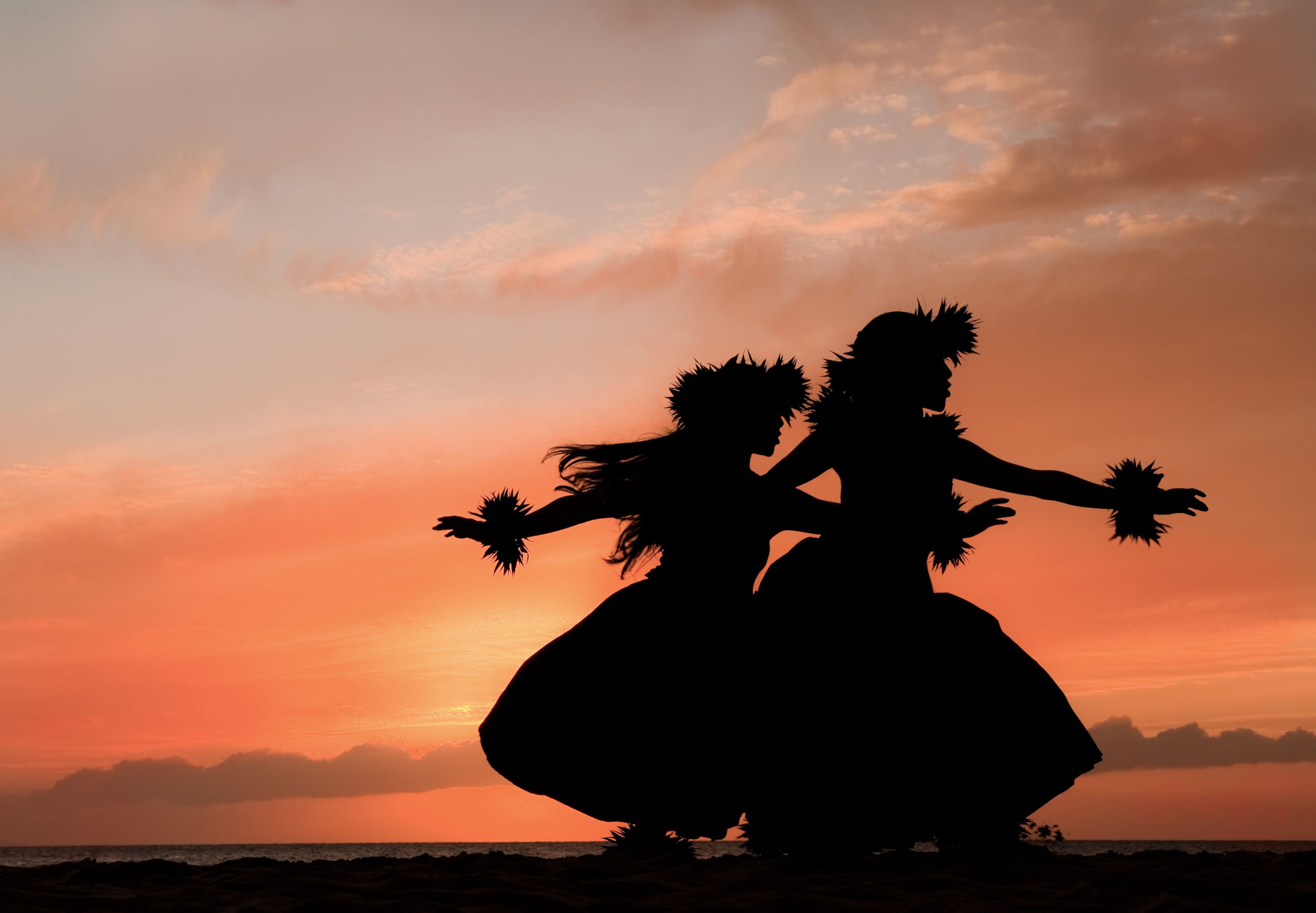
Hula, the traditional Hawaiian dance, is another powerful form of storytelling. Each movement in hula corresponds to a word or idea, allowing dancers to narrate stories through their bodies. This art form is a visual and emotional representation of the stories, bringing them to life in a way that words alone cannot.
Many modern performances and productions have embraced hula, showcasing its beauty and storytelling potential. By integrating hula into their narratives, storytellers can offer audiences an immersive experience that connects them to Hawaiian culture.
Influence on Popular Media
The impact of Hawaiian culture on modern storytelling is also evident in popular media. Films, books, and television shows often incorporate elements of Hawaiian culture, whether through settings, characters, or themes. This not only brings Hawaiian stories to a broader audience but also fosters a greater appreciation for the culture.
Overall, the influence of Hawaiian culture on modern storytelling is profound and multifaceted. By drawing upon its rich traditions, mythology, language, and art forms, storytellers create narratives that are both captivating and culturally significant. This not only preserves Hawaiian culture but also enriches the global storytelling landscape.