The Art of Drone Cinematography in Hawaii: Capturing Cultural Narratives
MA
The lush landscapes and vibrant cultural tapestry of Hawaii provide an unparalleled backdrop for drone cinematography. This innovative art form allows filmmakers to capture breathtaking aerial views and delve into the rich cultural narratives that define the islands. From the expansive coastlines to the bustling communities, drones offer a new perspective on Hawaii's unique stories.
The Rise of Drone Cinematography
Drone technology has revolutionized the world of filmmaking, offering a cost-effective and versatile tool for capturing high-quality footage. In Hawaii, drones have become essential in documenting the islands’ diverse environments, from active volcanoes to serene beaches. This accessibility has democratized the art of cinematography, allowing more storytellers to share their vision.
Moreover, drones have the ability to reach places that were previously inaccessible, providing filmmakers with the opportunity to craft compelling narratives that highlight both natural beauty and cultural heritage. By utilizing drones, filmmakers can showcase Hawaii from a perspective that captivates and intrigues audiences worldwide.
Exploring Hawaii’s Cultural Narratives
Hawaii is rich in history and tradition, with each island offering a unique story. Drone cinematography captures the essence of these narratives by providing an aerial view of cultural landmarks and events. Whether it's the ancient Hawaiian temples or the vibrant hula festivals, drones help illuminate the stories that have shaped the islands for centuries.

Through aerial footage, filmmakers are able to highlight the significance of these cultural sites, offering viewers a deeper understanding of Hawaii’s heritage. This perspective not only preserves these narratives but also promotes cultural appreciation and awareness.
Technical Aspects of Drone Filming
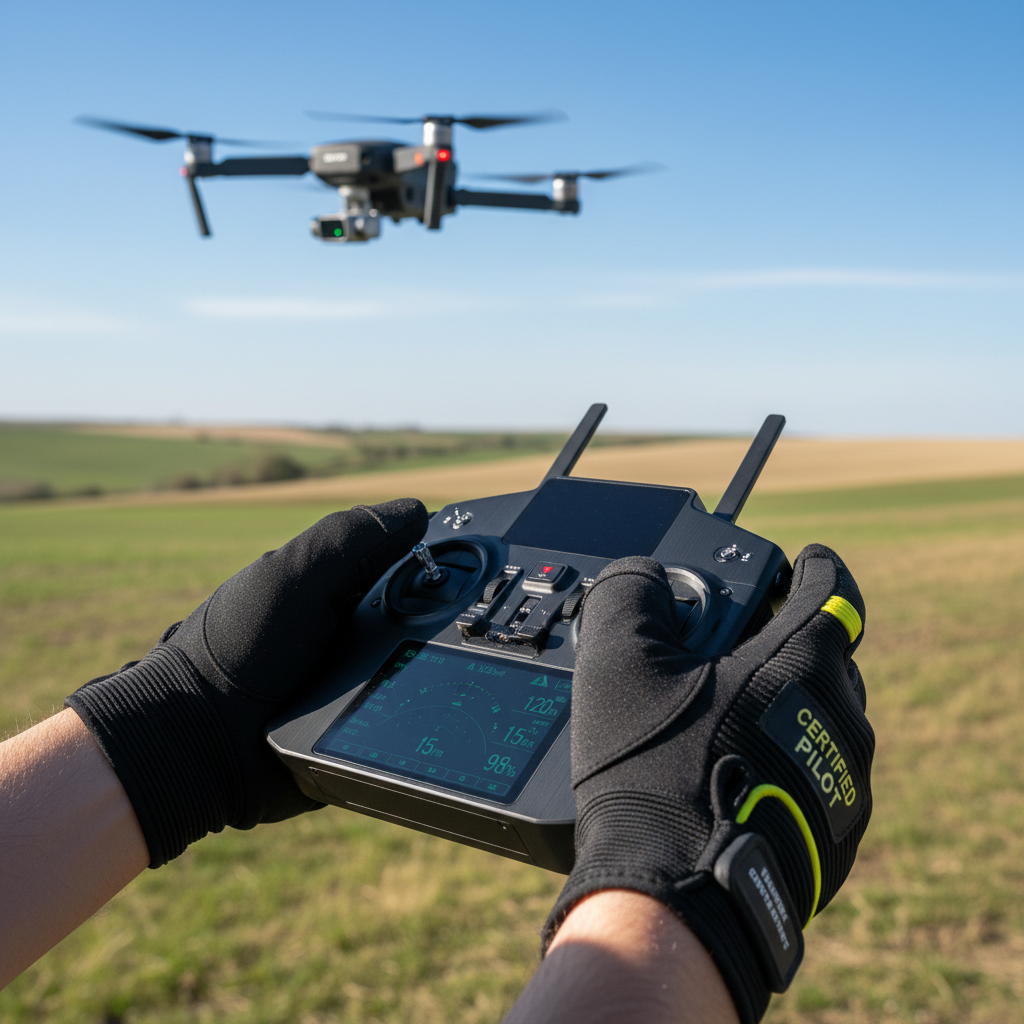
Mastering the art of drone cinematography requires both technical skill and creative vision. Filmmakers must understand the intricacies of drone operation, including flight regulations, camera settings, and environmental considerations. In Hawaii, the unpredictable weather and diverse terrain pose unique challenges.
Successful drone cinematography involves meticulous planning and execution. Filmmakers must scout locations, plan flight paths, and ensure they comply with local regulations to protect both the environment and cultural sites. This attention to detail is crucial in capturing the perfect shot that tells a compelling story.

The Future of Drone Cinematography in Hawaii
The future of drone cinematography in Hawaii looks promising as technology continues to advance. With improvements in drone capabilities and camera technology, filmmakers can achieve even more stunning and detailed footage. This evolution will enable more intricate storytelling and further exploration of Hawaii’s cultural narratives.
As more filmmakers embrace drone technology, the potential to share Hawaii’s stories with the world expands. This opens up new opportunities for collaboration between local communities and filmmakers, ensuring that Hawaii’s cultural heritage is preserved and celebrated in innovative ways.
In conclusion, drone cinematography in Hawaii is not just about capturing stunning visuals; it's about telling stories that matter. By merging technology with creativity, filmmakers can honor Hawaii's rich culture and natural beauty, providing audiences with a unique and immersive experience.