Seasonal Storytelling: Capturing Hawaiian Culture Through the Lens
MA
Embracing Hawaiian Traditions Through Photography
Hawaii's captivating landscapes and rich cultural tapestry make it a haven for photographers seeking to tell stories through their lenses. By embracing seasonal storytelling, photographers can capture the essence of Hawaii's unique culture and traditions, offering viewers a window into this vibrant world. The changing seasons bring different festivals and natural phenomena, providing endless opportunities to explore and document.
The Importance of Seasons in Hawaiian Culture
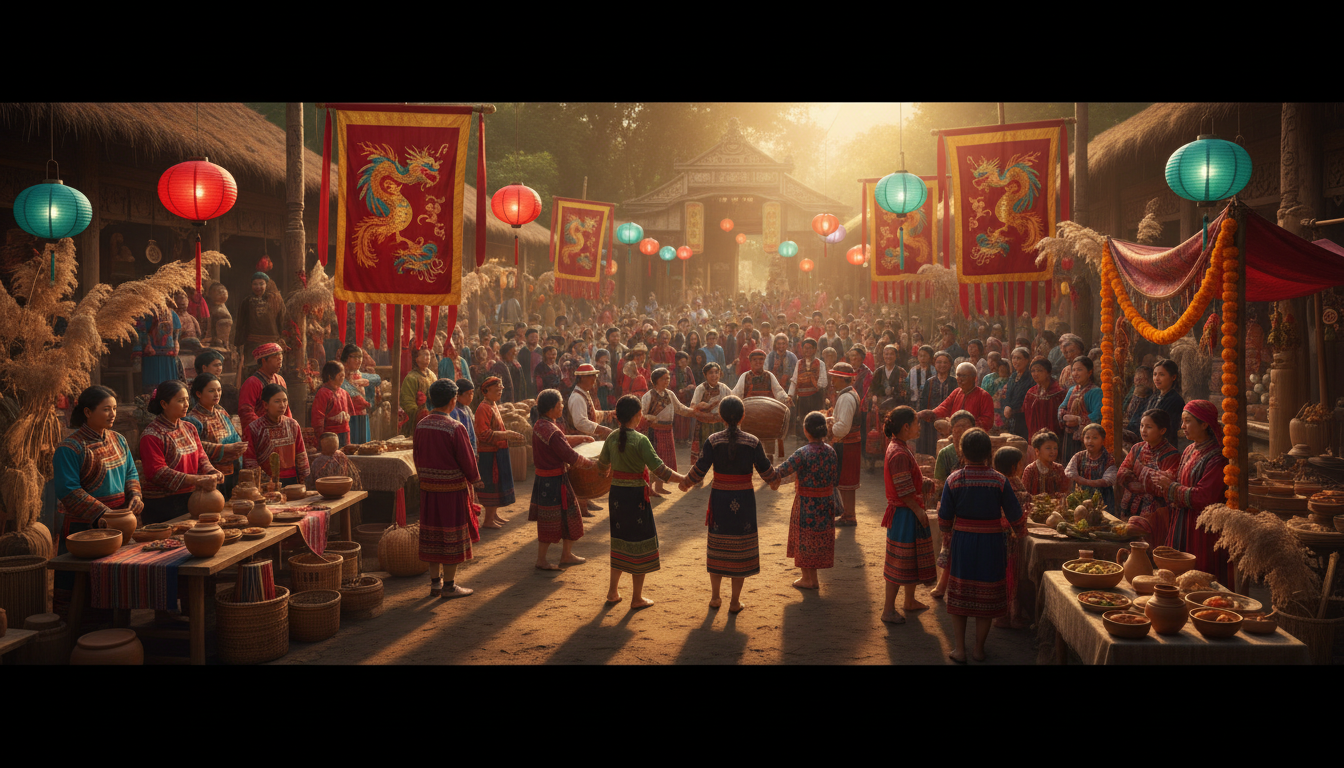
Seasons in Hawaii are more than just changes in weather; they are deeply intertwined with the cultural practices and daily lives of its people. Traditional Hawaiian society recognized two main seasons: Kau (the dry season) and Hooilo (the wet season). Each season influences the types of festivals, agricultural practices, and activities that take place on the islands.
Understanding these seasonal shifts allows photographers to plan their visits and capture authentic moments. For instance, the wet season is a time when many traditional ceremonies and gatherings occur, offering rich storytelling opportunities for those with a keen eye.
Capturing Festivities and Traditions
Photographers looking to immerse themselves in Hawaiian culture should focus on the various festivals and traditions that highlight the islands' unique heritage. Events such as the Merrie Monarch Festival celebrate Hawaiian dance and music, while Aloha Festivals showcase the islands' diverse communities. These events are perfect for photographers to capture the essence of Hawaiian spirituality and joy.

When attending these festivities, it is crucial to approach with respect and understanding. Engaging with locals and learning about the significance of each event can enhance the storytelling aspect of your photography.
Documenting Nature's Role in Hawaiian Culture
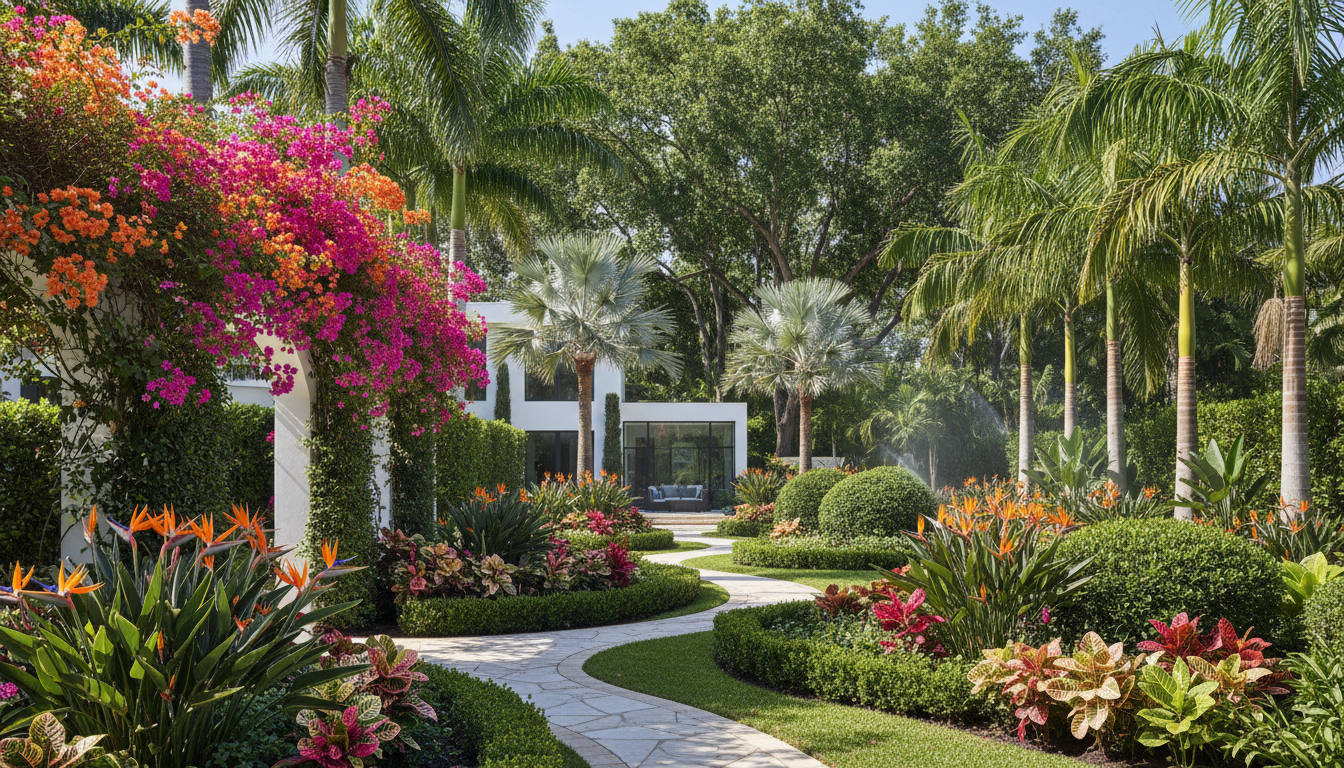
Nature plays a pivotal role in shaping Hawaiian culture, and capturing its beauty is an essential aspect of seasonal storytelling. From the lush greenery of the wet season to the vibrant blooms of tropical flowers, Hawaii's natural environment is a photographer's paradise. The interplay between culture and nature can be seen in traditional practices such as taro farming and canoe building.
Photographers should explore various natural landmarks and consider how these landscapes influence the cultural practices of the Hawaiian people. By doing so, they can create a narrative that goes beyond mere aesthetics and delves into the symbiotic relationship between the land and its inhabitants.
Tips for Successful Storytelling
To effectively capture Hawaiian culture through the lens, consider these tips:
- Research: Understand the cultural significance of the events and places you plan to photograph.
- Engage: Interact with locals to gain insights and perspectives that can enrich your storytelling.
- Be Respectful: Always approach cultural events with sensitivity and respect for traditions.
- Timing: Plan your visit according to the seasonal calendar to align with key cultural events.
By following these guidelines, photographers can ensure their work not only captures beautiful images but also conveys the deep cultural narratives embedded within Hawaiian society.
Sharing Hawaiian Stories with the World
Photography is a powerful tool for sharing the beauty and complexity of Hawaiian culture with a global audience. By focusing on seasonal storytelling, photographers can offer a more nuanced view of life on the islands, highlighting the unique traditions and natural splendor that define Hawaii.
As you embark on your photographic journey through Hawaii, remember that each image is an opportunity to tell a story. Through careful planning and respectful engagement, you can create a visual narrative that honors the rich cultural heritage of this remarkable place.