How Hawaiian Culture Influences Modern Video Production Techniques
MA
The Roots of Hawaiian Storytelling
Hawaiian culture has a rich tradition of storytelling that dates back centuries. This oral tradition, known as "mo'olelo," is a fundamental part of Hawaiian heritage and has greatly influenced modern video production techniques. Storytelling in Hawaii is not just about entertainment; it is a way to pass down history, values, and lessons from one generation to the next. This deep-rooted tradition shapes how narratives are constructed in film and video today.

The Importance of Community
In Hawaiian culture, storytelling is often a communal activity, involving not just a single narrator but also the participation of the audience. This communal aspect has translated into modern video production through collaborative filmmaking techniques. Directors, writers, and producers work closely with their teams to create a shared vision, much like a community coming together for a storytelling session. This collaboration ensures that the final product is rich in detail and authenticity.
Integration of Music and Dance
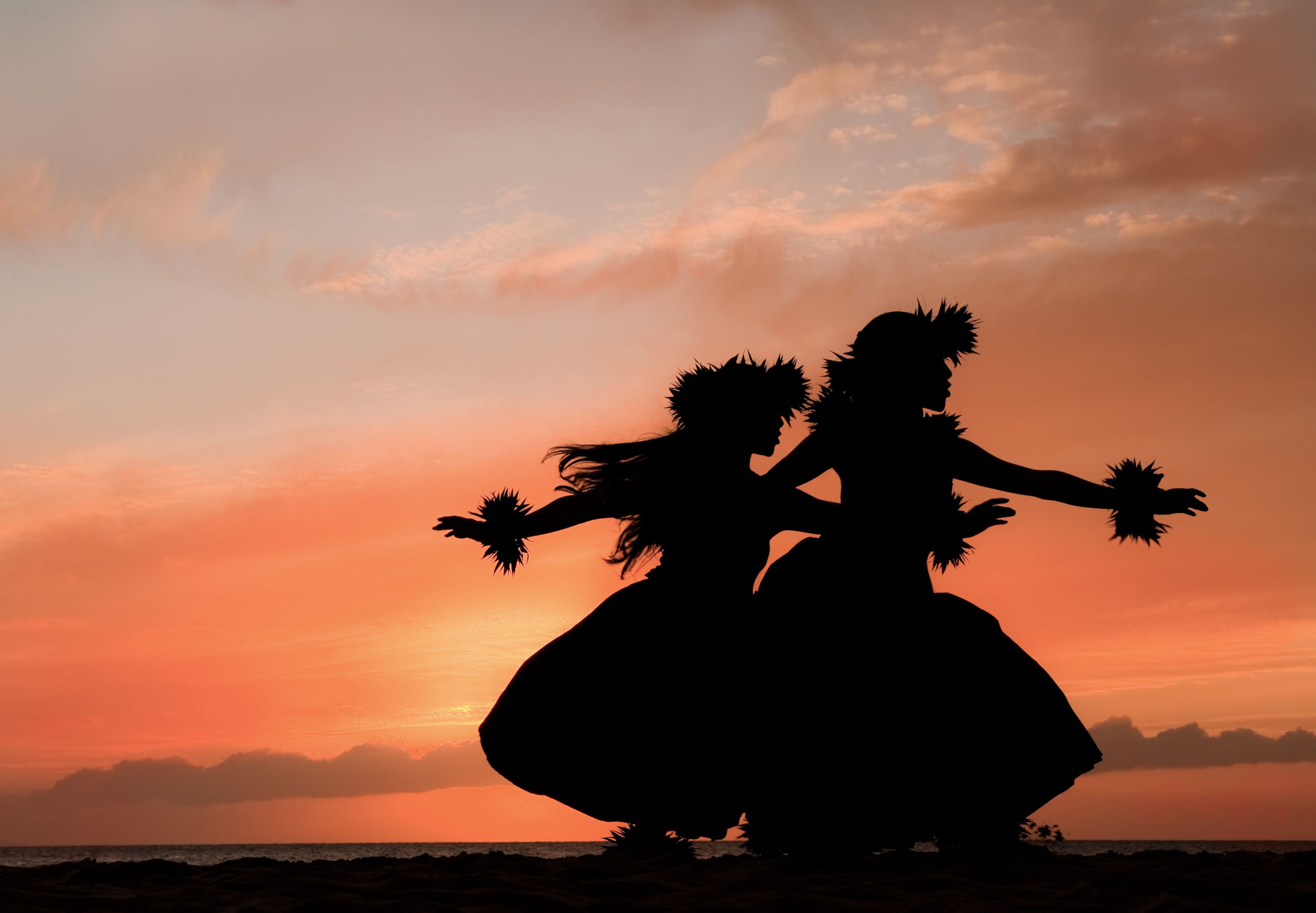
Music and dance are integral components of Hawaiian storytelling. The traditional "hula" dance, accompanied by chants and music, tells stories through movement and song. In modern video production, this has inspired the integration of music and choreography to enhance storytelling. Filmmakers often use soundtracks and dance sequences to convey emotions and progress narratives, creating a more immersive experience for the audience.
Respect for Nature
Hawaiian culture places a strong emphasis on the connection between humans and nature. This respect for the environment is often reflected in video production through the use of natural settings and environmental themes. Filmmakers are increasingly using the beauty of natural landscapes to enrich their stories, drawing inspiration from Hawaii's breathtaking scenery. This not only enhances the visual appeal but also reinforces the narrative's connection to nature.
Emphasis on Language
The Hawaiian language is a critical component of the culture and is often used in storytelling. In video production, language helps to set the tone and authenticity of the narrative. Incorporating native languages or dialects into films can provide depth and context, allowing audiences to connect with the story on a cultural level. This practice highlights the importance of preserving linguistic heritage in modern media.

Symbolism and Imagery
Symbolism is prevalent in Hawaiian art and storytelling, with many stories using metaphors and visual symbols to convey deeper meanings. Modern video production often employs similar techniques, using imagery to symbolize themes and emotions. This use of symbolism adds layers to the narrative, encouraging viewers to engage with the content on a more intellectual level.
The Influence of Hawaiian Values
Hawaiian values such as "aloha" (love, peace, compassion) and "kuleana" (responsibility) are often woven into stories as guiding principles. These values influence how narratives are crafted in video production, promoting themes of empathy, community, and responsibility. This cultural infusion ensures that the stories resonate with audiences, offering both entertainment and moral lessons.
A Global Impact
The influence of Hawaiian culture on modern video production extends beyond the islands, impacting filmmakers worldwide. As more filmmakers incorporate Hawaiian techniques and values into their work, the global storytelling landscape becomes richer and more diverse. This cross-cultural exchange not only promotes cultural appreciation but also fosters innovation in the art of storytelling.