Expert Advice: Navigating Film Production Regulations in Hawaii
MA
Understanding Hawaii's Film Production Landscape
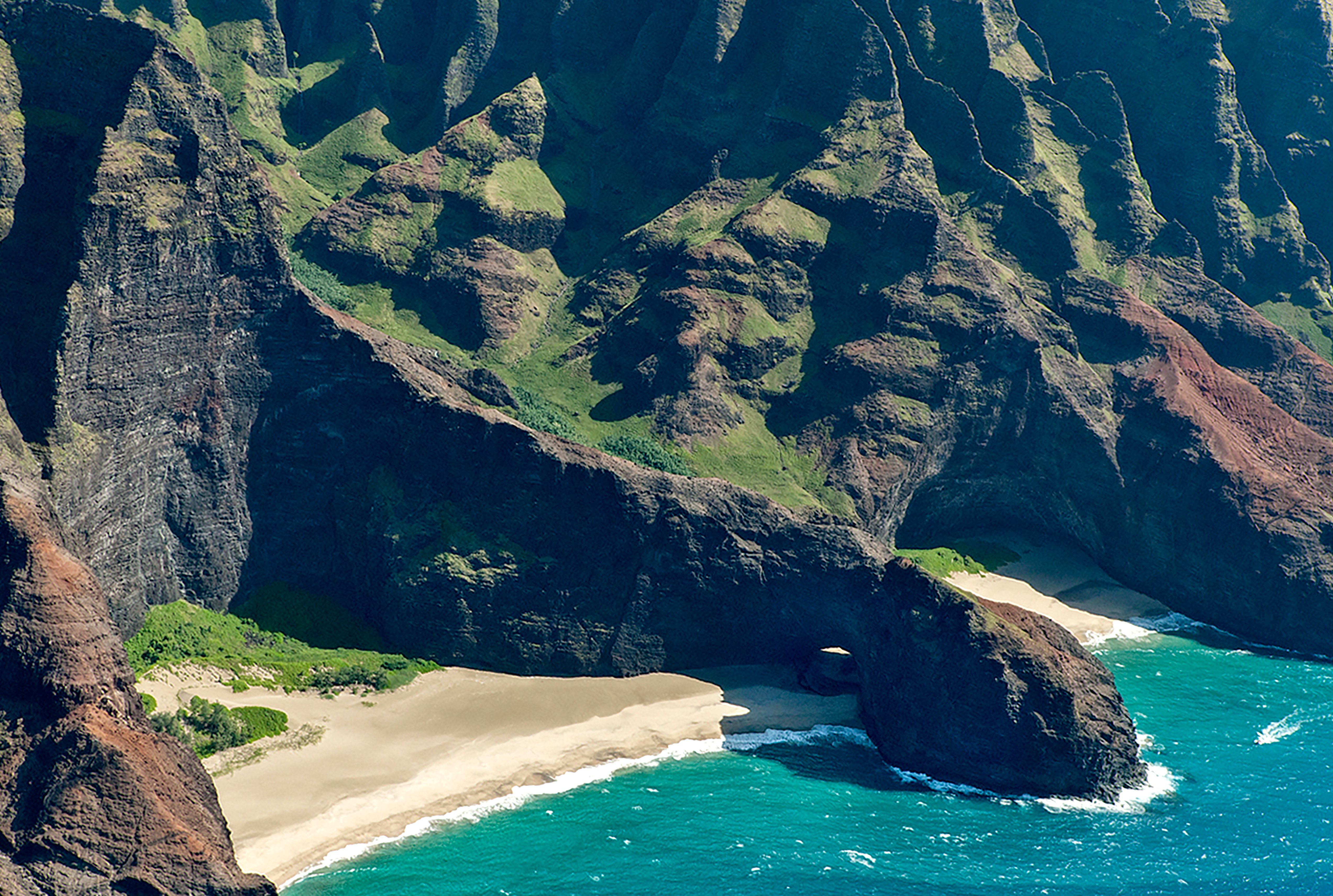
Hawaii's picturesque landscapes and vibrant culture make it a magnet for filmmakers. However, navigating the film production regulations in this tropical paradise requires careful planning and understanding. From permits to environmental considerations, knowing the rules can make or break your project.
Securing Film Permits
One of the first steps in planning a shoot in Hawaii is obtaining the necessary film permits. The Hawaii Film Office is the primary agency responsible for issuing permits for state lands, and each island may have its own set of requirements. It's essential to apply well in advance, as processing can take time, especially for complex shoots.
Permits are crucial for ensuring that your production complies with local laws and regulations. They may include stipulations about where and when you can film, so it's vital to review them thoroughly and adhere to all guidelines.
Environmental Considerations
Hawaii's unique environment requires filmmakers to be particularly mindful of ecological impacts. Productions must follow strict guidelines to protect the island's beaches, forests, and wildlife. This includes managing waste responsibly and minimizing disturbances to natural habitats.

It's advisable to work closely with local environmental agencies to ensure your production is environmentally friendly. This collaboration not only helps preserve Hawaii's natural beauty but also fosters goodwill with the local community.
Working with Local Authorities
Collaboration with local authorities is crucial for a smooth production process. This includes liaising with police, fire departments, and other municipal services. These partnerships can help address potential safety concerns and ensure that your shoot runs smoothly.
Engaging with local businesses and communities can also provide valuable support, from catering services to on-the-ground logistics, enhancing both the efficiency and authenticity of your production.

Insurance and Safety Protocols
Insurance is a non-negotiable aspect of filming in Hawaii. Productions need comprehensive coverage to address potential liabilities, including personal injury and property damage. Safety protocols must be meticulously planned and communicated to all crew members.
Regular safety meetings and clear communication channels can prevent accidents and ensure compliance with Hawaii's safety regulations. Investing in quality safety measures reflects a commitment to the well-being of your team and the community.
Conclusion
Navigating film production regulations in Hawaii requires diligence, collaboration, and respect for the local environment and culture. By understanding and adhering to these guidelines, filmmakers can ensure a successful and respectful production process.
Whether you're capturing the breathtaking landscapes or the rich cultural tapestry, Hawaii offers a unique backdrop for storytelling. With the right preparation and partnerships, your production can thrive amidst the islands' unparalleled beauty.