Capturing Culture: The Significance of Hawaiian Cultural Documentaries
MA
The Hawaiian Islands, a paradise of pristine beaches and lush landscapes, hold a rich tapestry of cultural heritage that is equally captivating. Hawaiian cultural documentaries play a crucial role in preserving and sharing the unique traditions, history, and stories of Hawaii's people. These films offer viewers an intimate glimpse into a world where ancient customs blend with modern life.

Preserving Oral Traditions
Oral traditions have long been a cornerstone of Hawaiian culture, passing down knowledge and values through generations. Documentaries serve as a modern extension of this tradition, capturing the voices and stories of elders and cultural practitioners. By documenting these narratives, filmmakers ensure that the wisdom of the past remains accessible to future generations.
These films often highlight the significance of storytelling in Hawaiian culture, emphasizing how oral narratives help maintain identity and community cohesion. Viewers are introduced to legends and myths that are integral to understanding Hawaii's cultural landscape.
Exploring Traditional Practices
Hawaiian cultural documentaries delve into traditional practices such as hula, lua (Hawaiian martial arts), and lei-making. These art forms are not merely performances; they are expressions of history and spirituality. Through documentaries, audiences gain insight into the skills and dedication required to preserve these practices.
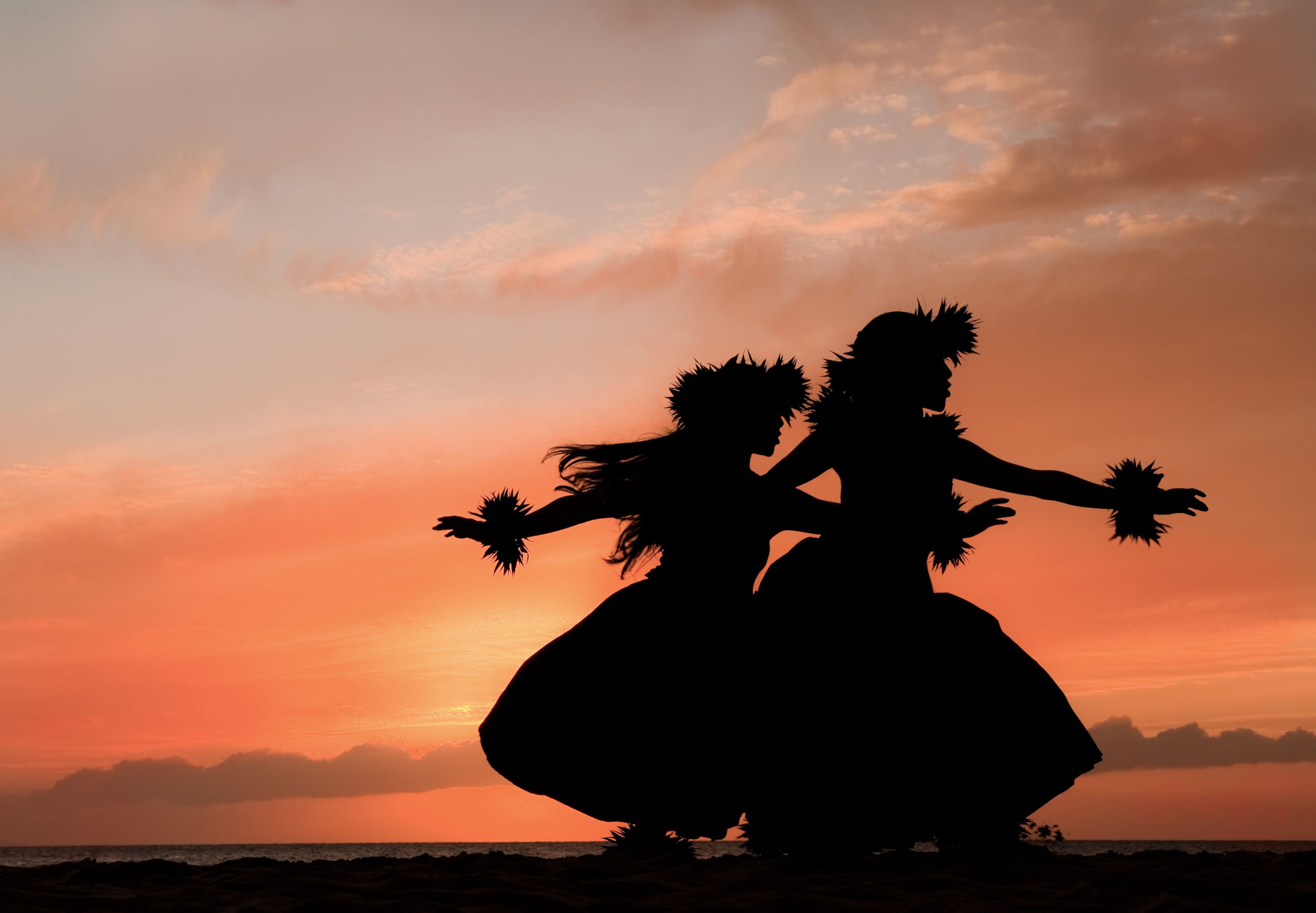
Filmmakers often collaborate with cultural experts to ensure authenticity, providing an educational experience that respects the depth of Hawaiian traditions. This collaboration is essential in presenting a true representation of the culture.
Highlighting Environmental Connections
The Hawaiian way of life is deeply connected to the natural environment, and documentaries often explore this profound relationship. The concept of "aloha aina," or love of the land, underscores the importance of sustainability and ecological stewardship. Films capture how traditional practices are intertwined with the land and sea, emphasizing the need for environmental preservation.
By showcasing these connections, documentaries raise awareness about ongoing conservation efforts and inspire viewers to appreciate the delicate balance between culture and nature.

Bridging Past and Present
One of the most significant aspects of Hawaiian cultural documentaries is their ability to bridge the past and present. These films often address contemporary issues facing Hawaii, such as land rights, cultural appropriation, and community resilience. By contextualizing these challenges within historical narratives, documentaries offer a comprehensive view of Hawaii's evolving culture.
This approach not only educates audiences but also empowers local communities by amplifying their voices and concerns. It fosters a deeper understanding of the complexities involved in preserving cultural identity in a rapidly changing world.
The Role of Filmmakers
Filmmakers play a pivotal role in capturing and conveying the nuances of Hawaiian culture. Their dedication to authenticity and respect for cultural protocols ensures that the stories told are both accurate and meaningful. By collaborating with local communities, filmmakers create documentaries that resonate with both Hawaiian and global audiences.

These films serve as a bridge between cultures, inviting viewers to appreciate the richness of Hawaii's heritage while fostering cross-cultural understanding.
Conclusion
Hawaiian cultural documentaries are invaluable tools for preserving and sharing the unique traditions and stories of the islands. They offer a window into a world where history, culture, and nature are intricately connected. As these films continue to reach audiences around the globe, they ensure that the vibrant culture of Hawaii remains alive and accessible for generations to come.