A Guide to Integrating Cultural Storytelling into Your Drone Cinematography Projects
MA
Understanding the Power of Cultural Storytelling
Incorporating cultural storytelling into drone cinematography projects can elevate your work by adding depth and meaning. By capturing the essence of a culture through your lens, you can create more engaging and impactful visual narratives. This approach not only enriches the visual experience but also fosters a deeper connection with your audience.
Research and Respect
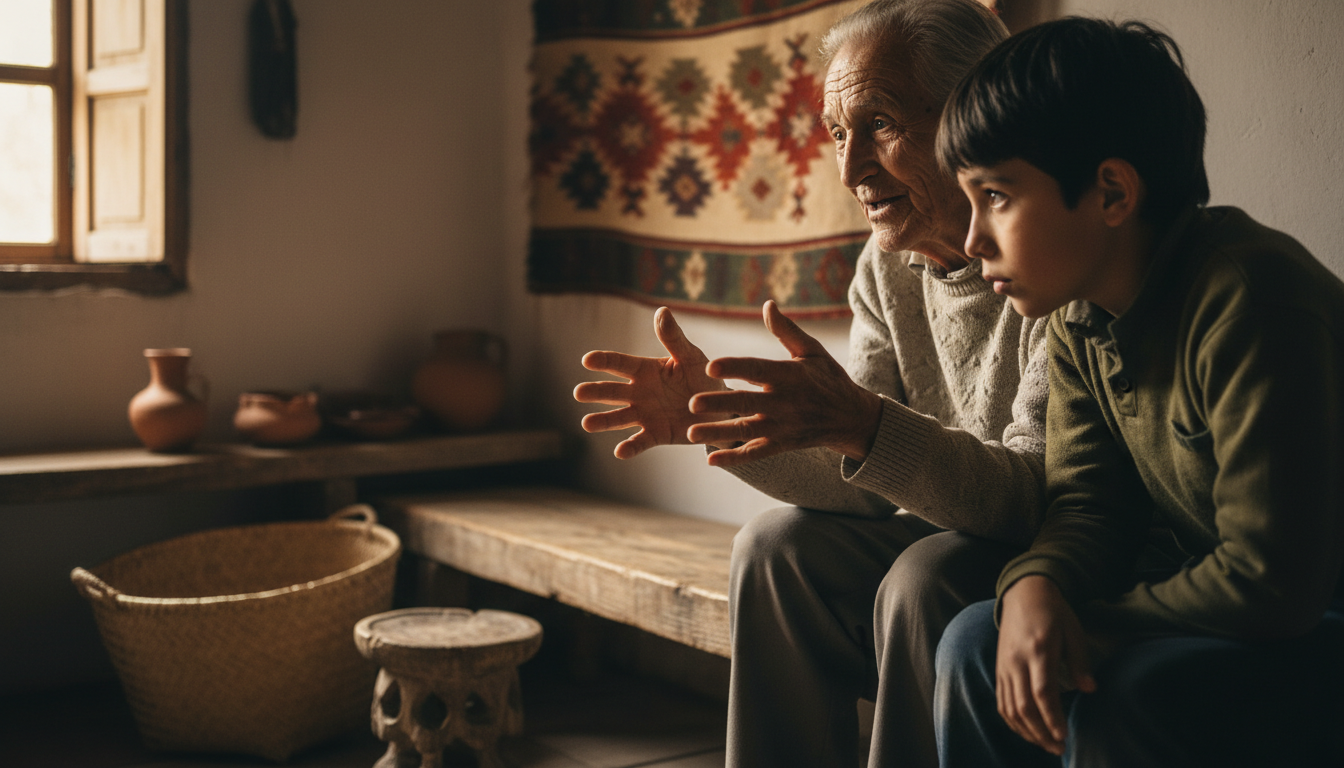
Before embarking on a project, it's crucial to research the cultural context of your subject thoroughly. Understanding the traditions, values, and history of the culture you wish to portray ensures authenticity and respect. This knowledge helps you avoid stereotypes and misrepresentations, allowing for a more genuine depiction.
Respect is key when dealing with cultural elements. Engage with local communities and seek their insights and perspectives. This collaboration can offer invaluable guidance and help you form a narrative that resonates with those who know the culture best.
Choosing the Right Locations
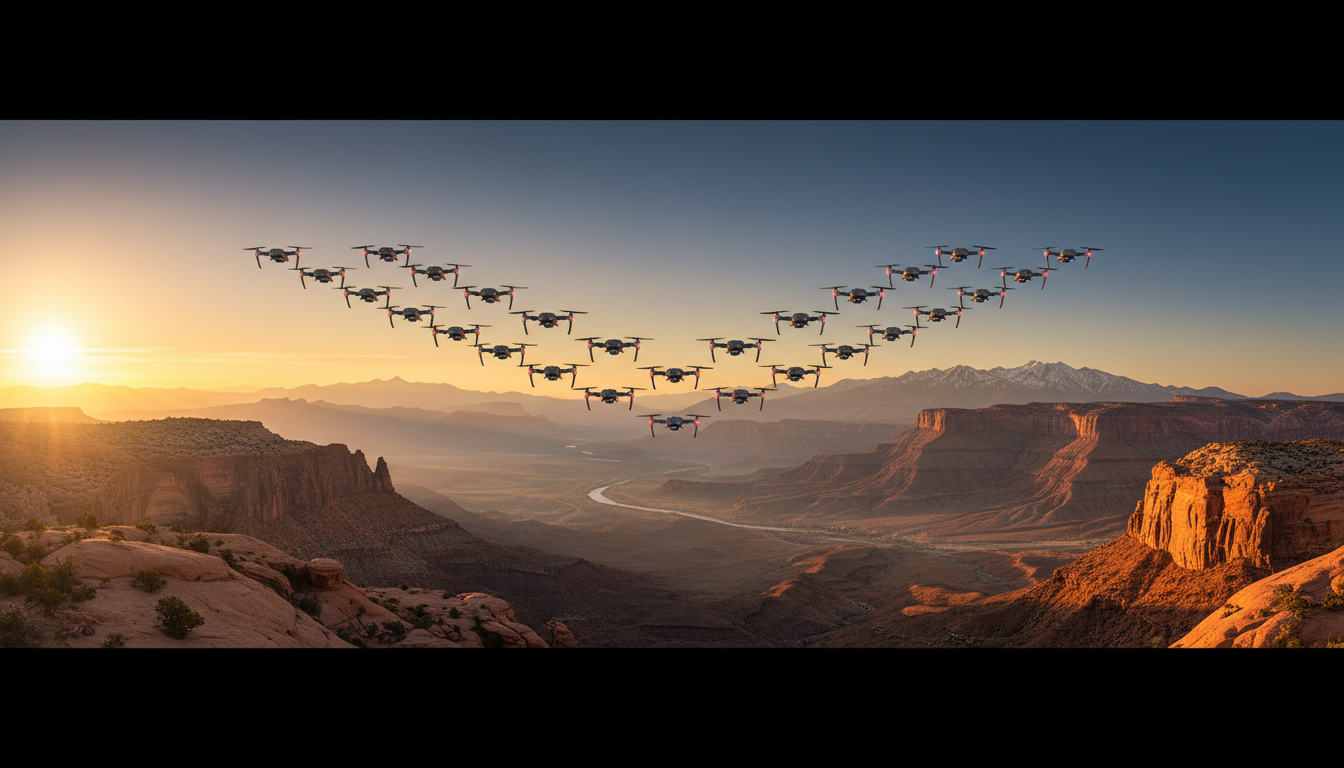
Location plays a significant role in cultural storytelling. Select sites that hold cultural significance or tell a story through their landscapes and architecture. These visuals can convey a culture's spirit and heritage, adding layers to your narrative.
Integrating Cultural Symbols
Cultural symbols can be powerful storytelling tools. Incorporate elements like traditional clothing, rituals, or art forms into your footage. These symbols provide context and depth, helping viewers gain a better understanding of the culture being portrayed.
Be mindful of the cultural significance of these symbols. Ensure that they are presented accurately and respectfully to avoid misinterpretation or offense.
Enhancing Storytelling with Music and Sound
Music and sound can significantly enhance the cultural storytelling experience. Choose soundtracks that reflect the cultural background of your subject. Traditional music or ambient sounds from the location can create an immersive atmosphere, drawing viewers deeper into the story.
Editing for Cultural Impact
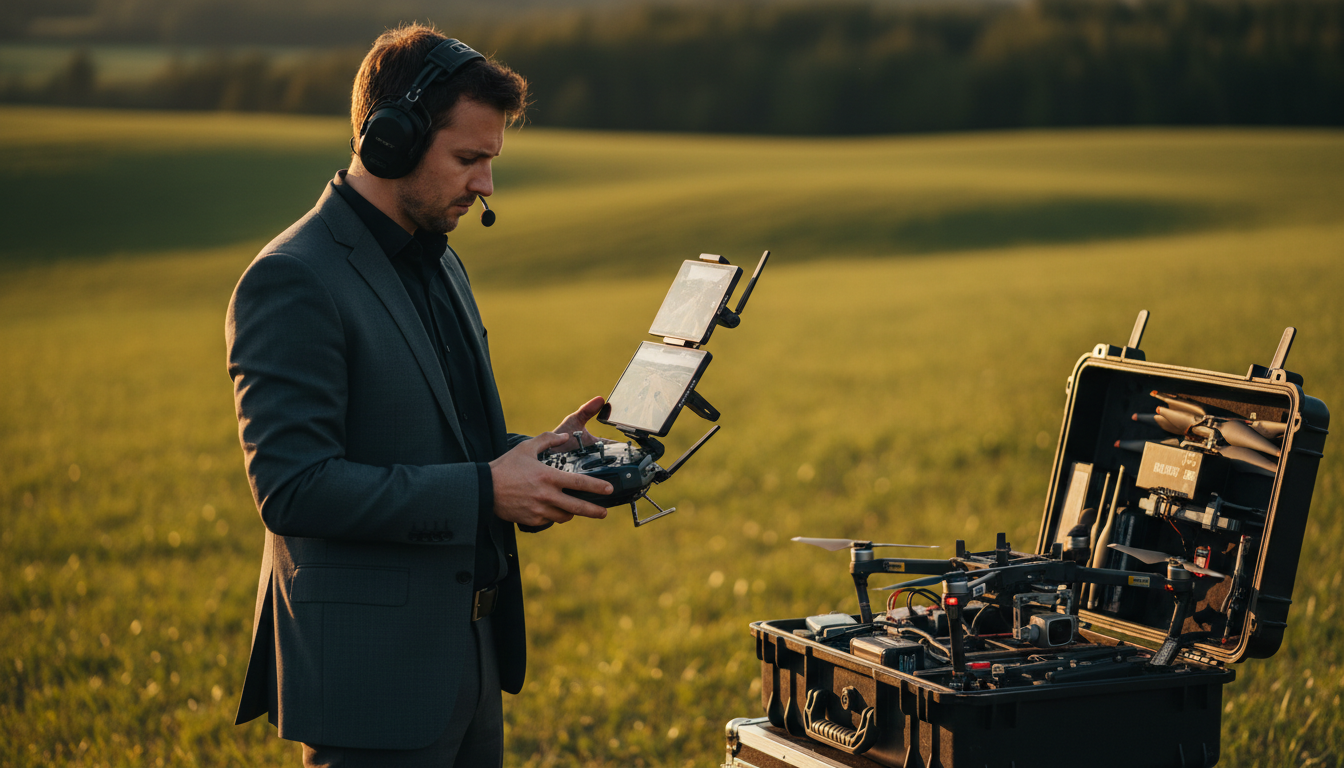
The editing process is where your cultural narrative comes together. Use editing techniques that highlight key cultural moments and emphasize the story you wish to tell. Consider the pacing, transitions, and color grading to align with the mood and tone of the cultural context.
Be mindful of the story arc and ensure it reflects the cultural elements authentically and respectfully. This attention to detail will result in a cohesive and compelling narrative.
Sharing Your Work
Once your project is complete, sharing it with the right audience is essential. Consider platforms and communities that are receptive to cultural content. Engage with viewers by providing context and encouraging discussions about the cultural aspects of your work.
By integrating cultural storytelling into your drone cinematography projects, you have the opportunity to create meaningful and impactful visuals. This approach not only enriches your portfolio but also promotes cultural appreciation and understanding among your audience.